


Some neighbourhoods endure. Sant Pere, an ancient seafaring quarter of Muslim origin, survived the plans that sought to erase it. Community movements drove forward a PERI that protected it, and three decades on, it has settled into Palma as a place of its own character, beyond the speculative pressure, institutional neglect, and social stigma that marked its recent history.
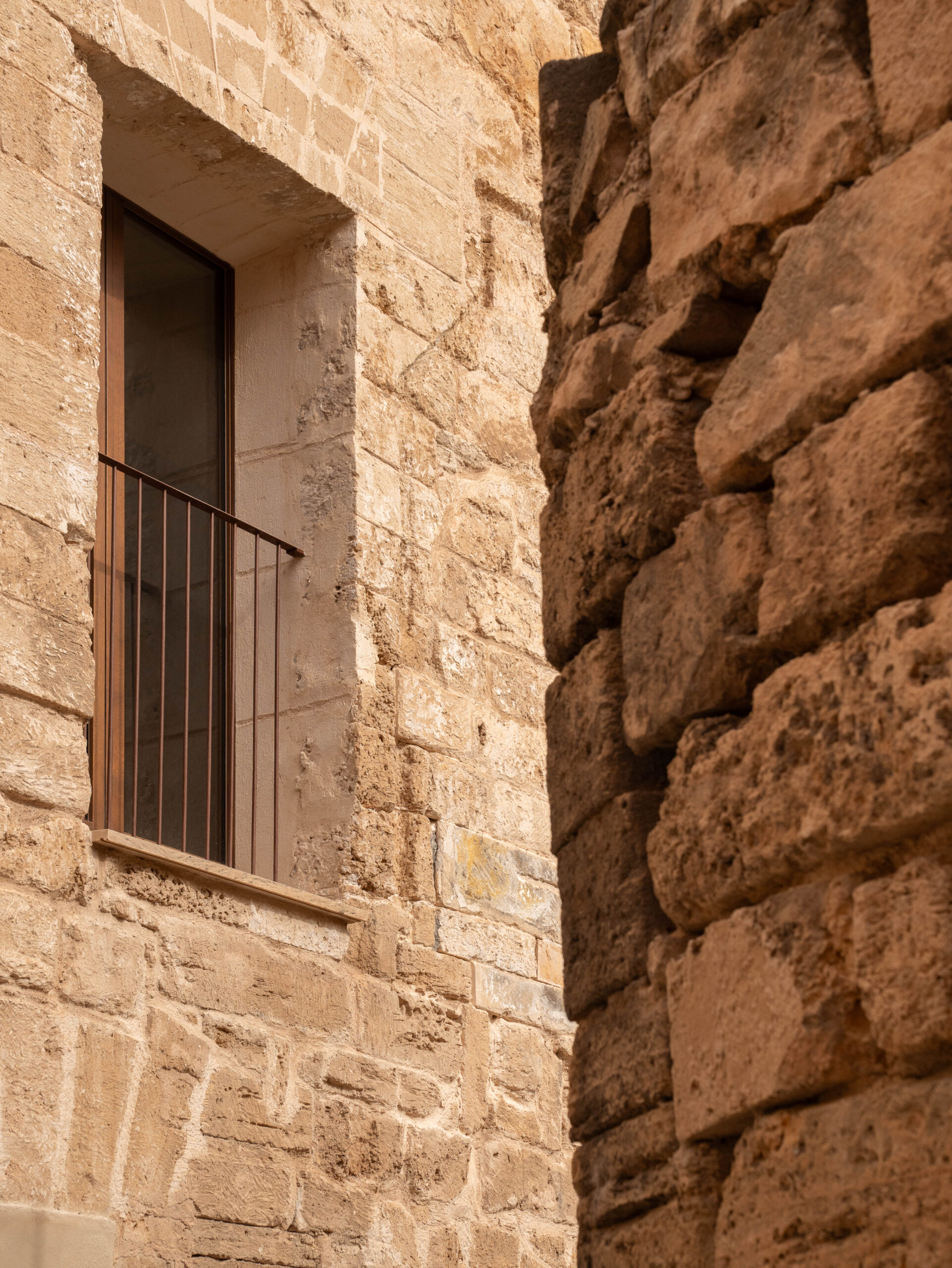
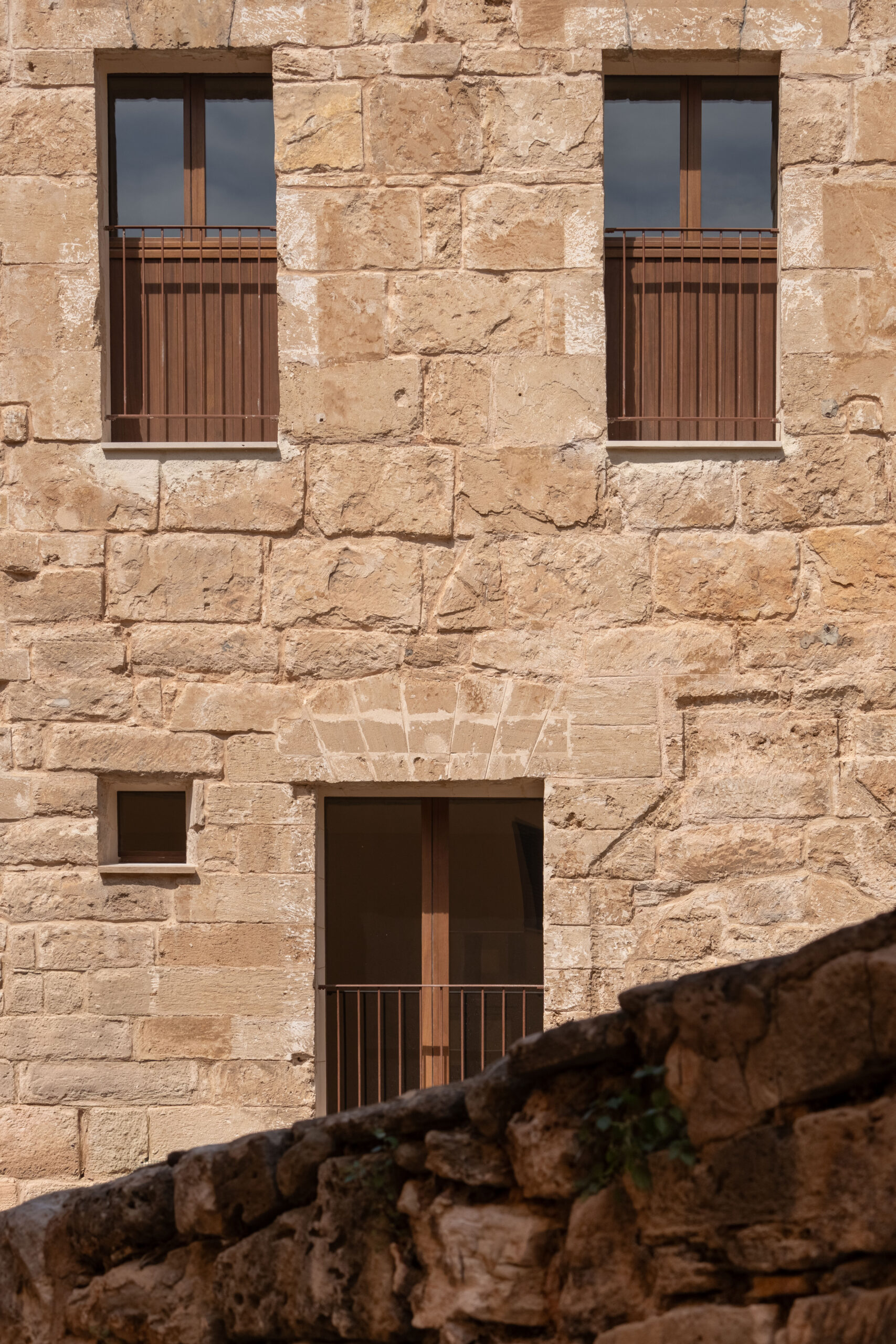
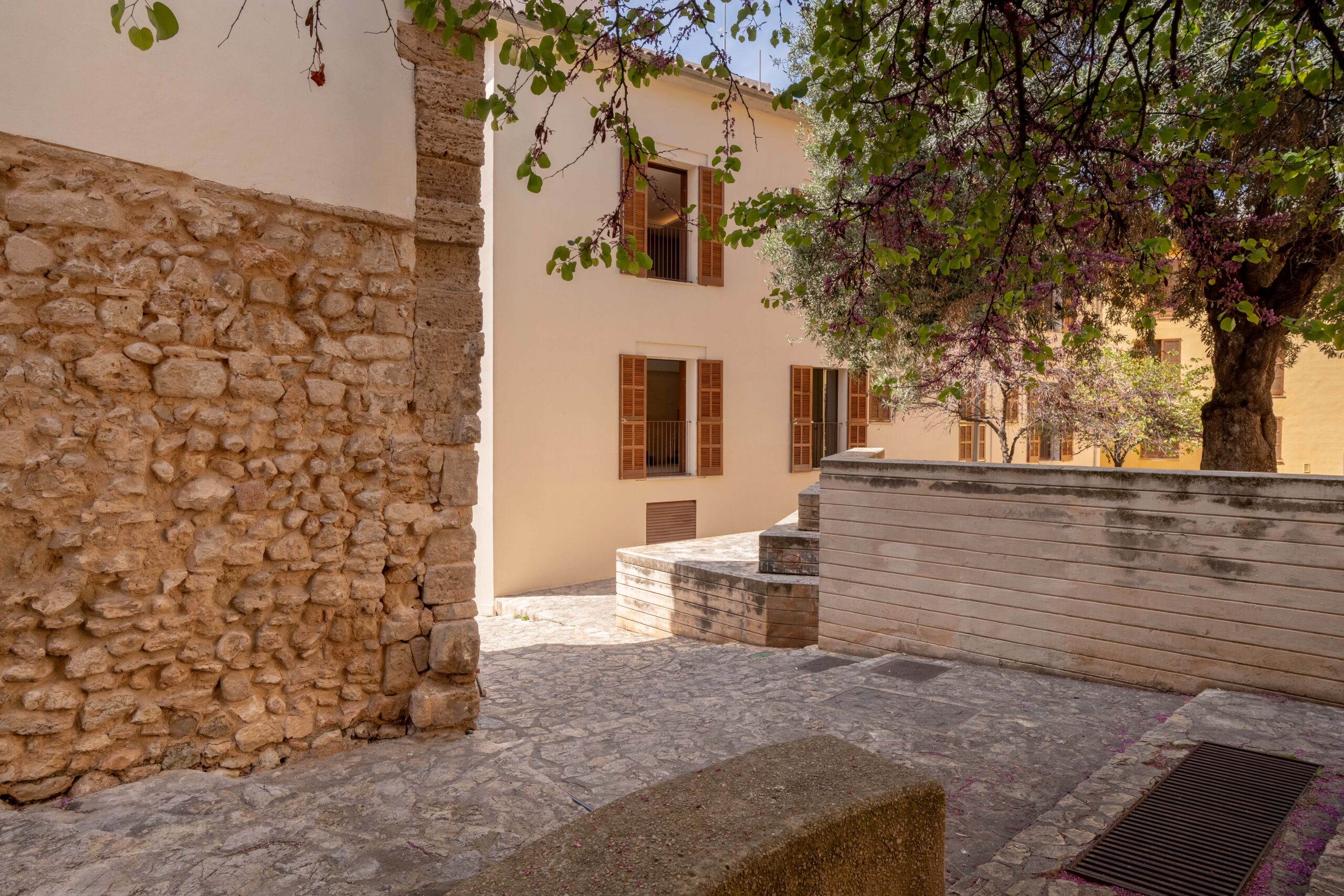
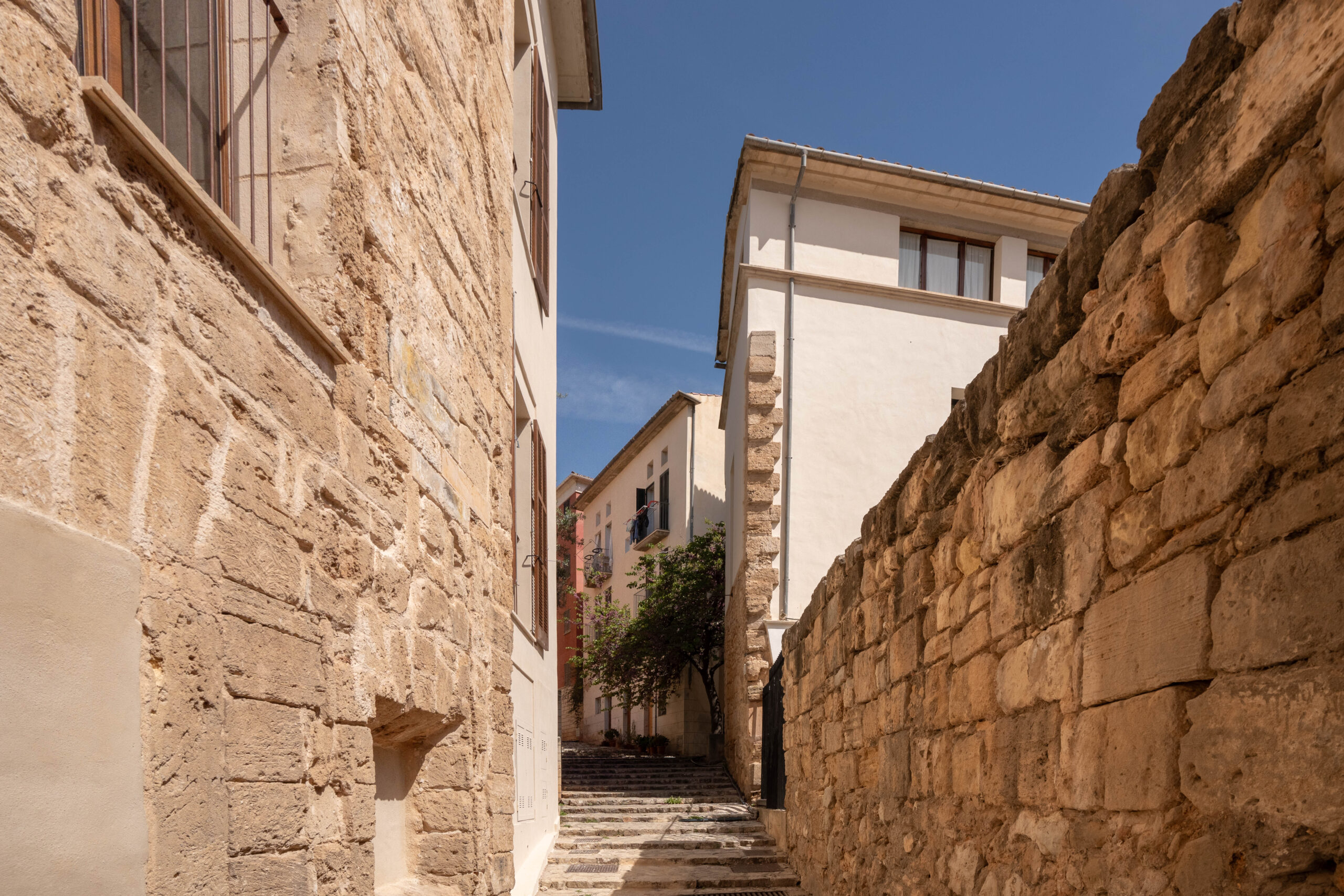
In 1991, Rambla 9 restored the block that today acts as the neighbourhood’s social centre, preserving its stone walls and recovering the courtyards that gave the stepped street of “Corralasas” its name. An early intervention that recognised the value of the existing urban fabric long before contemporary thinking came to reclaim it.
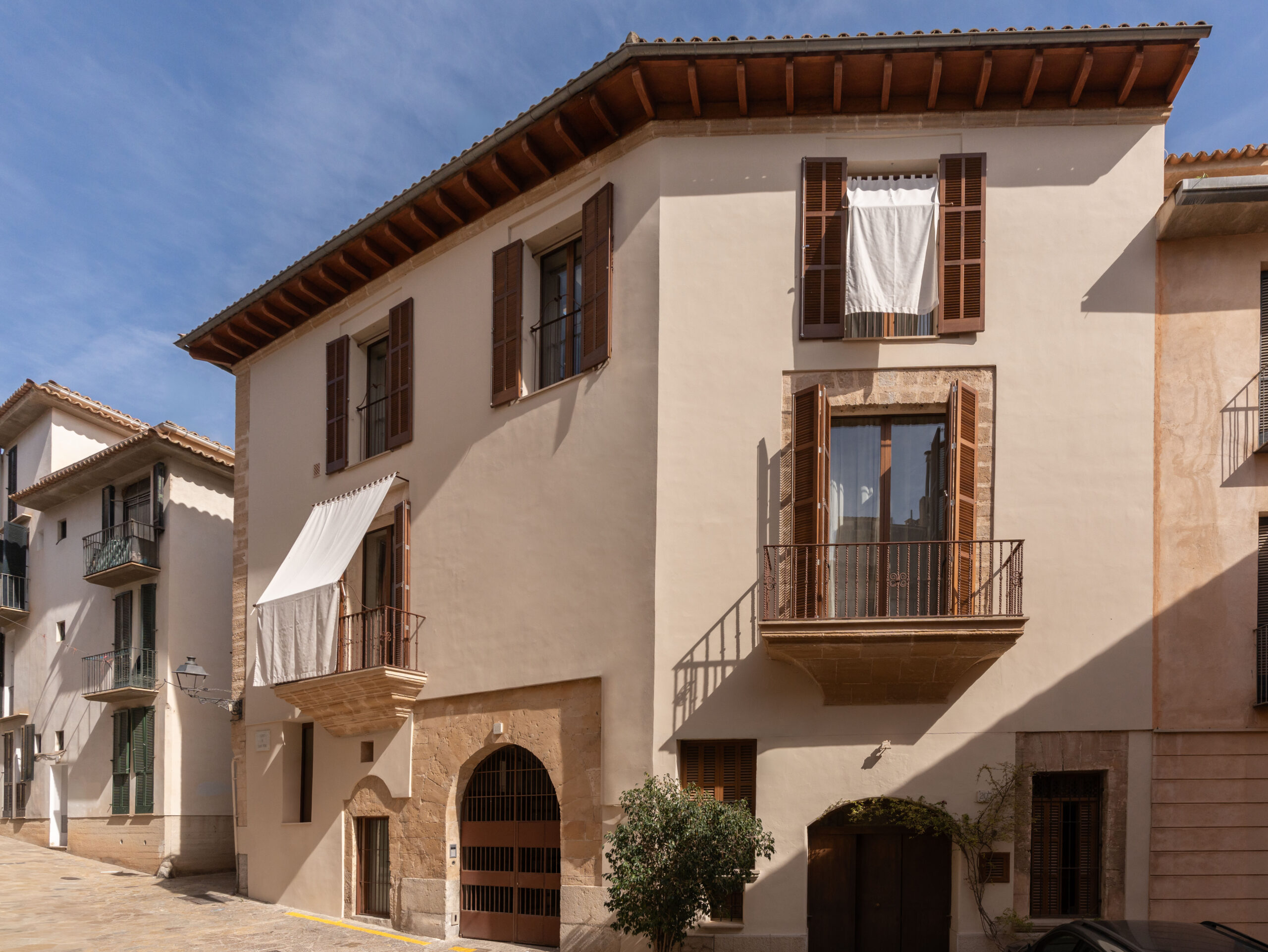
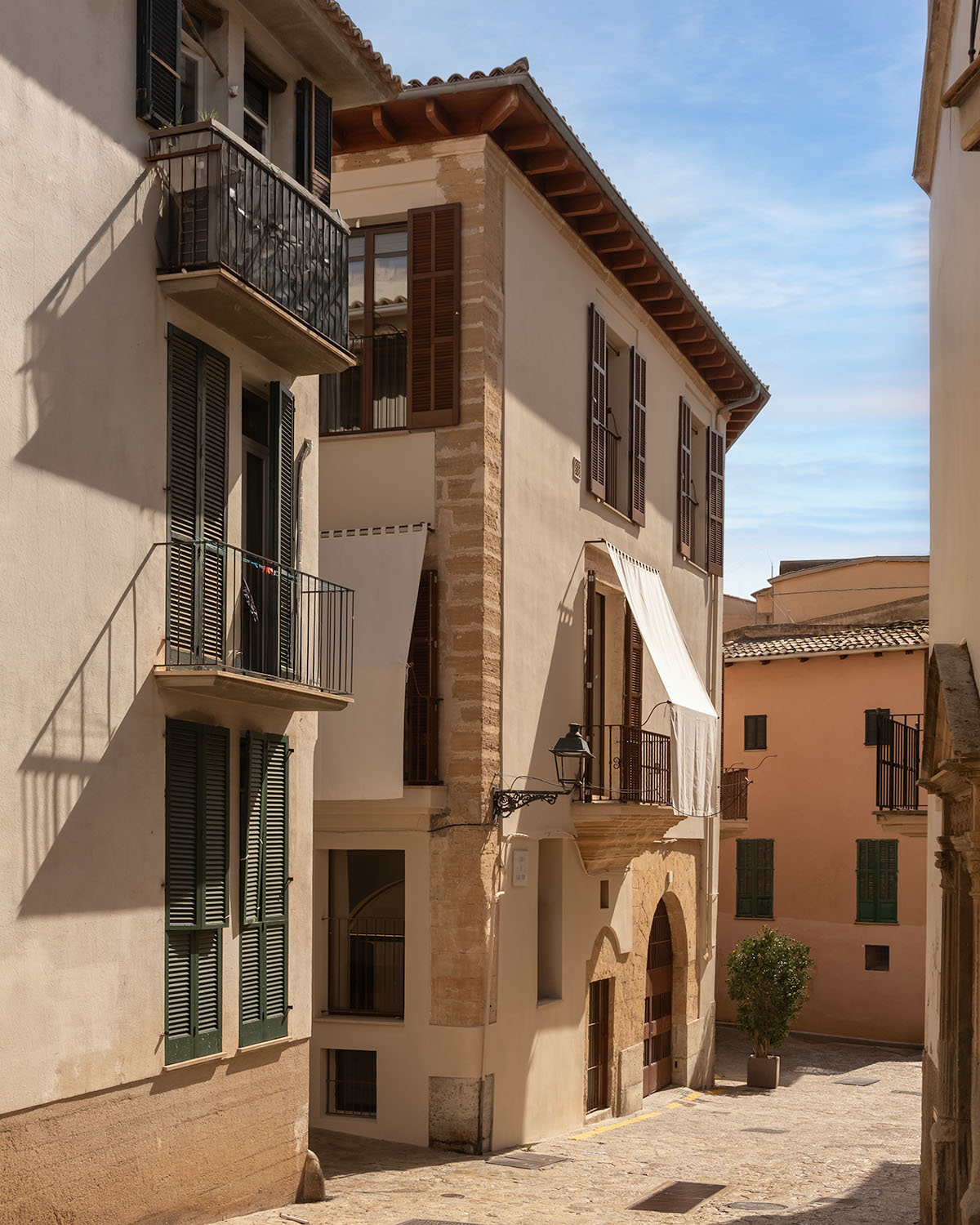
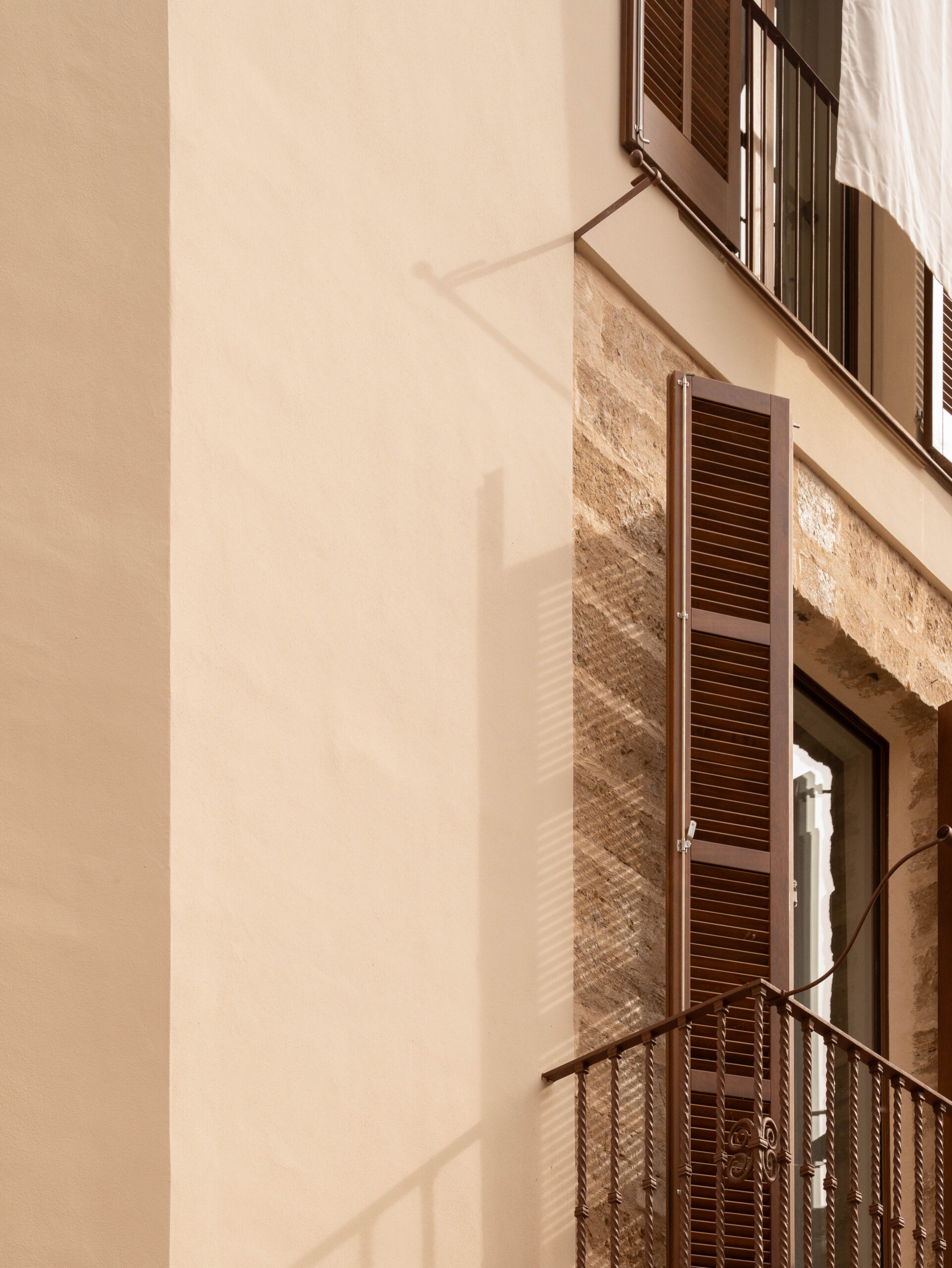
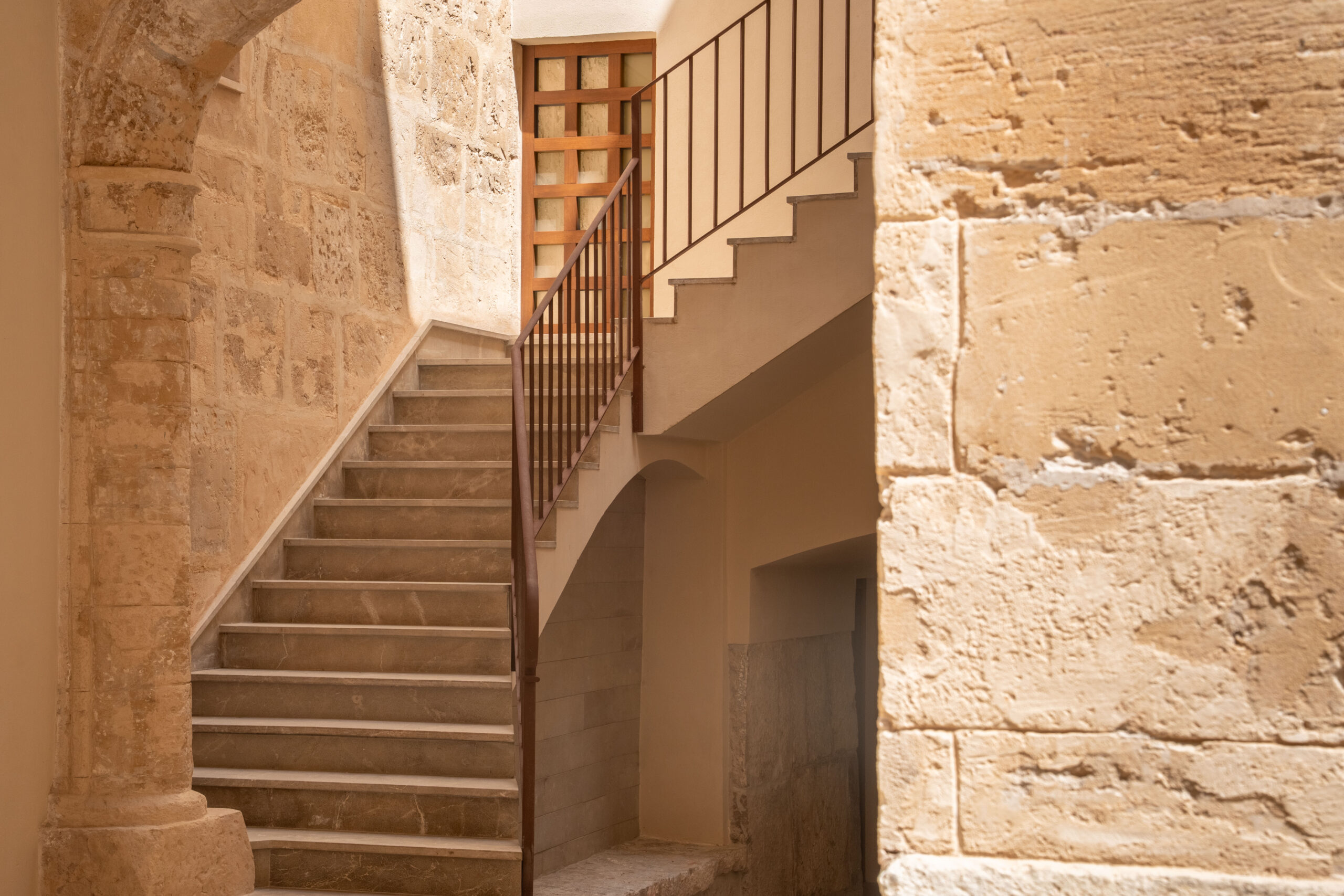
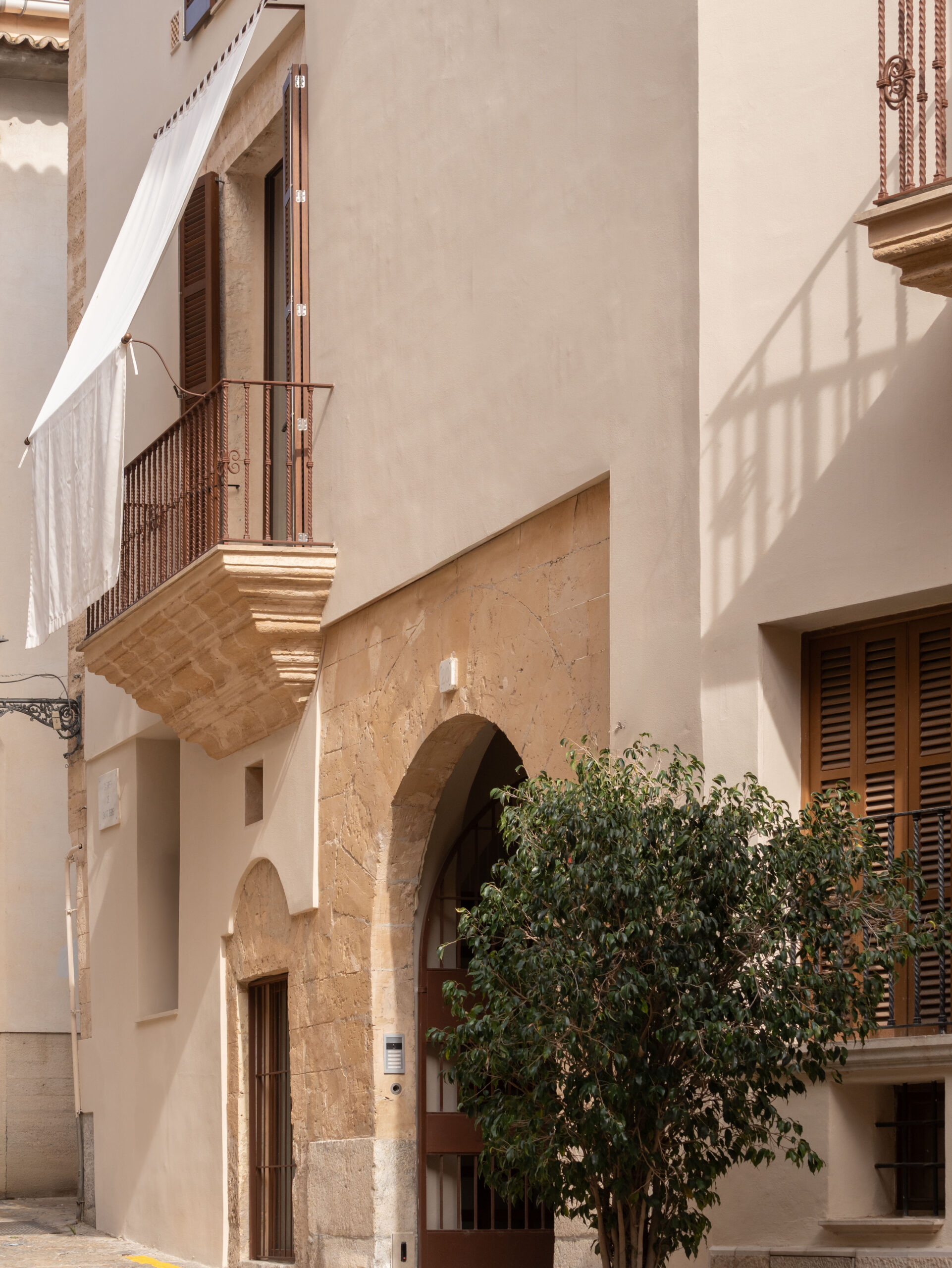
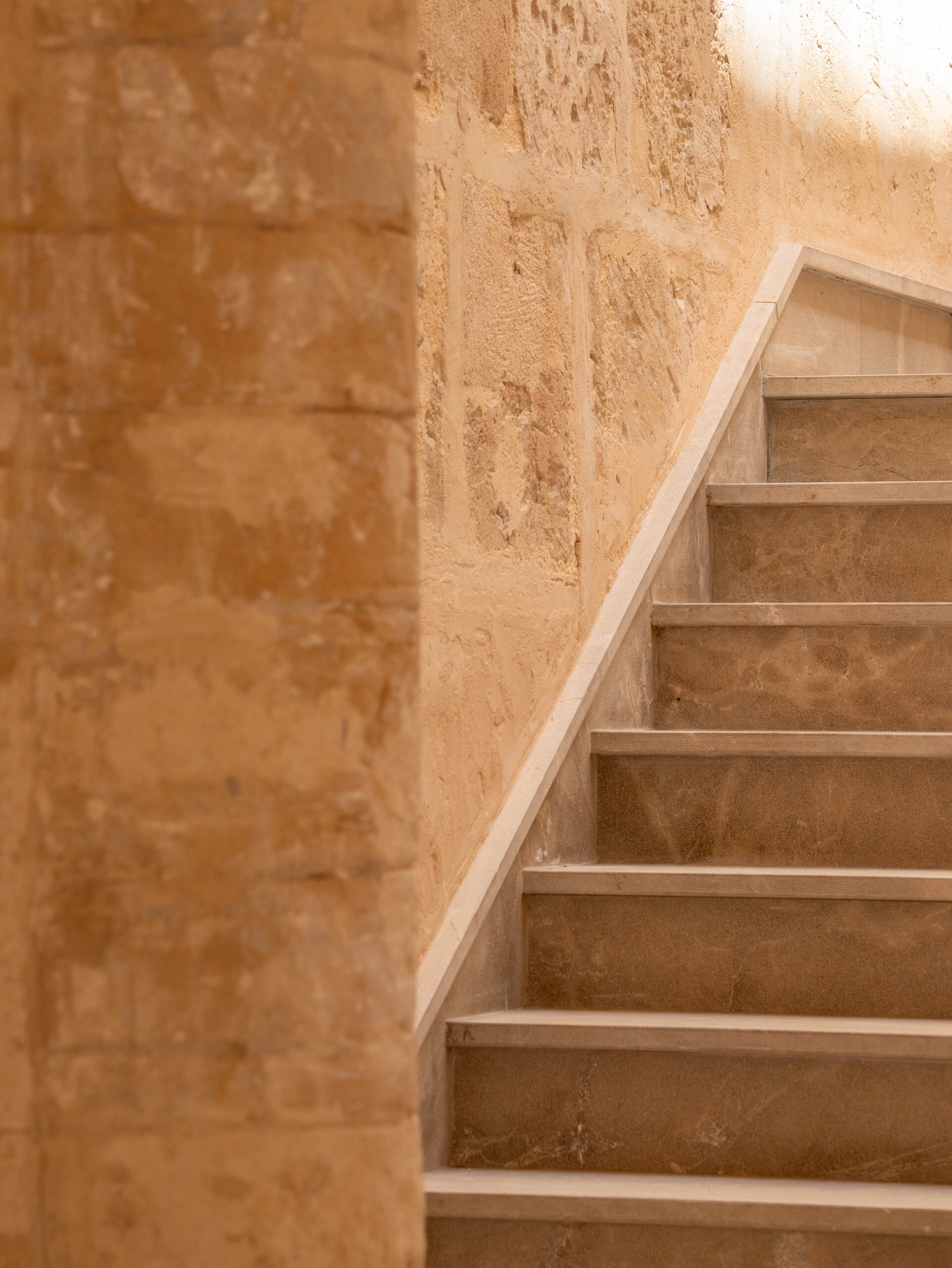
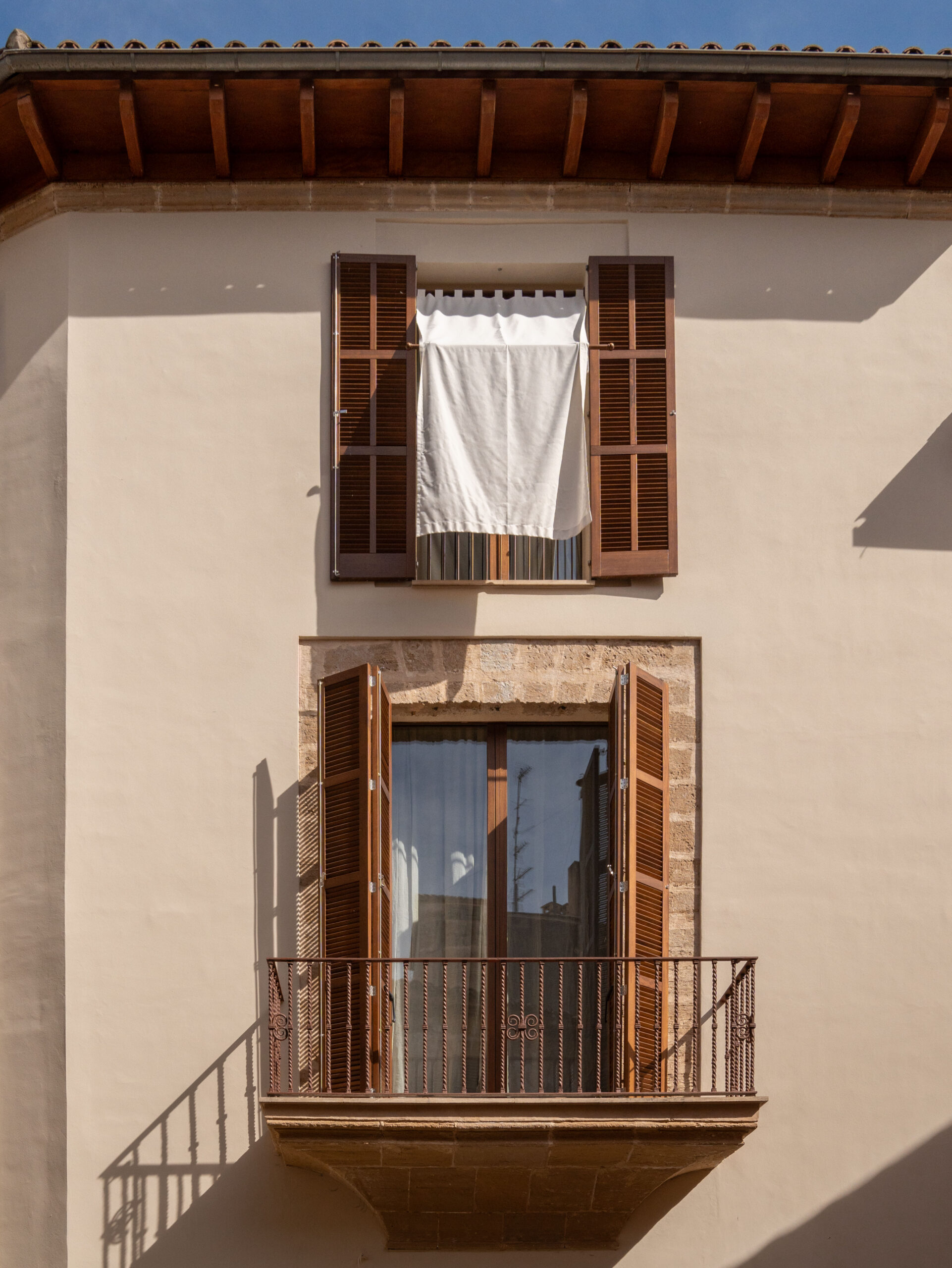
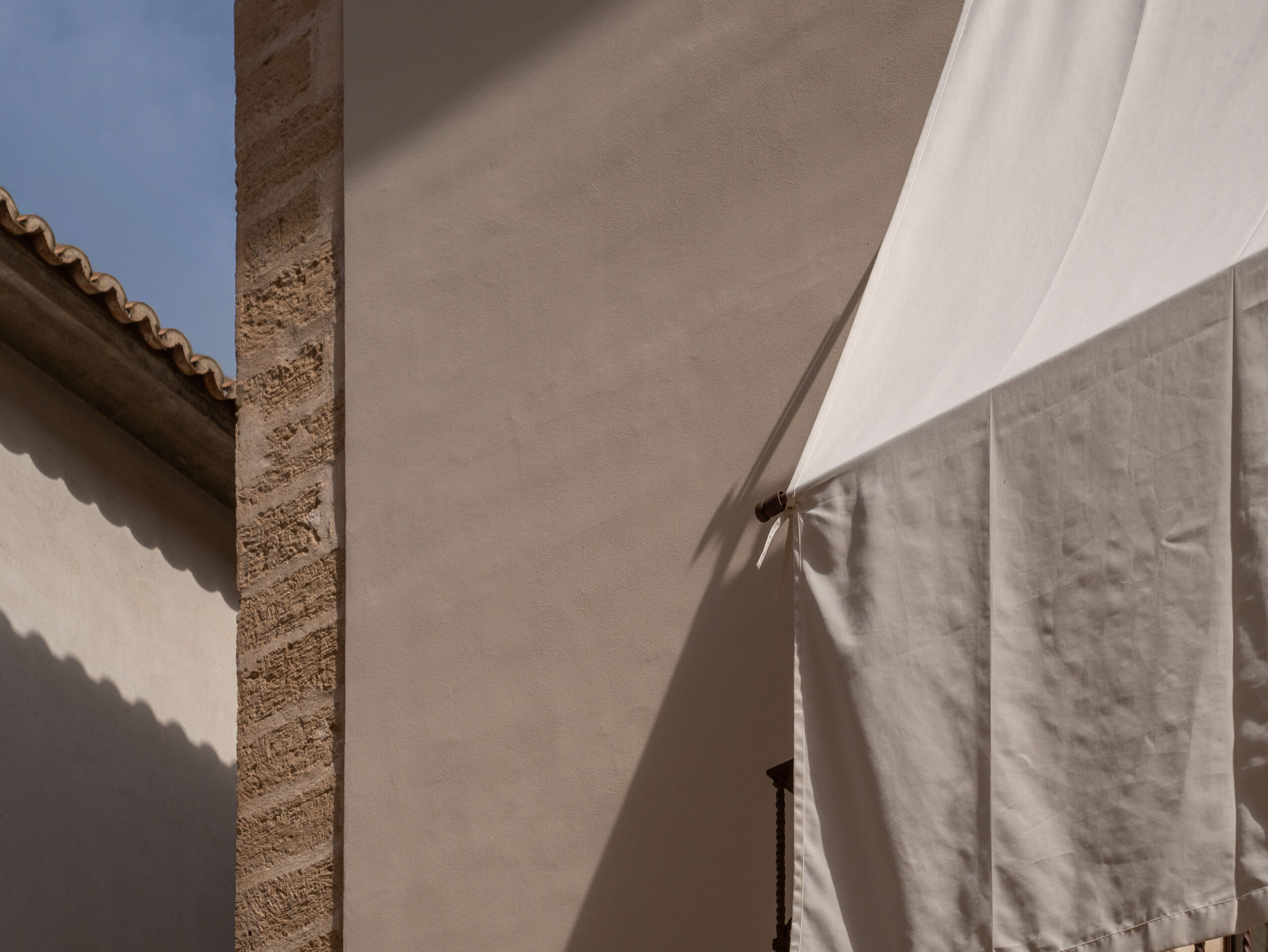
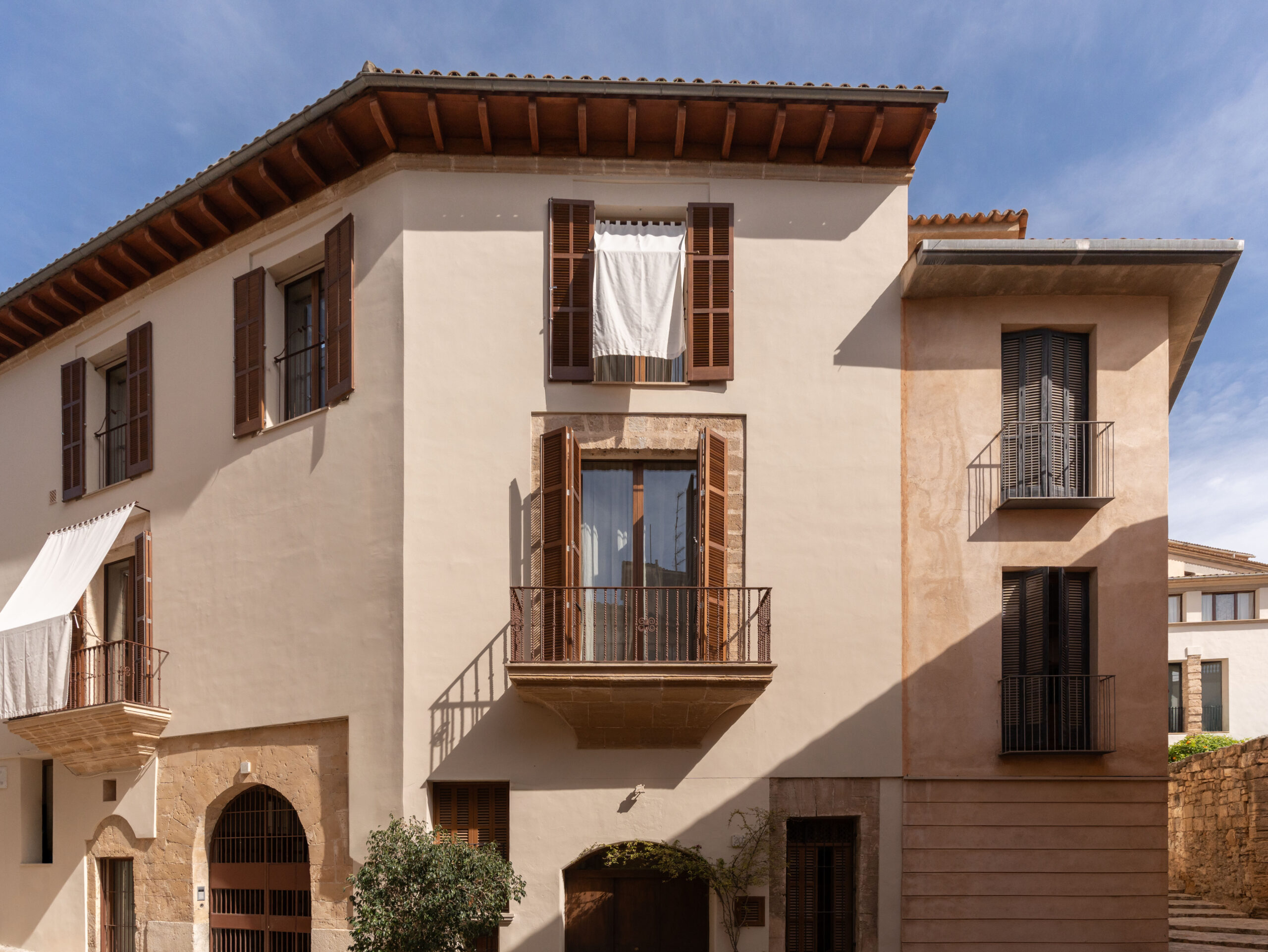
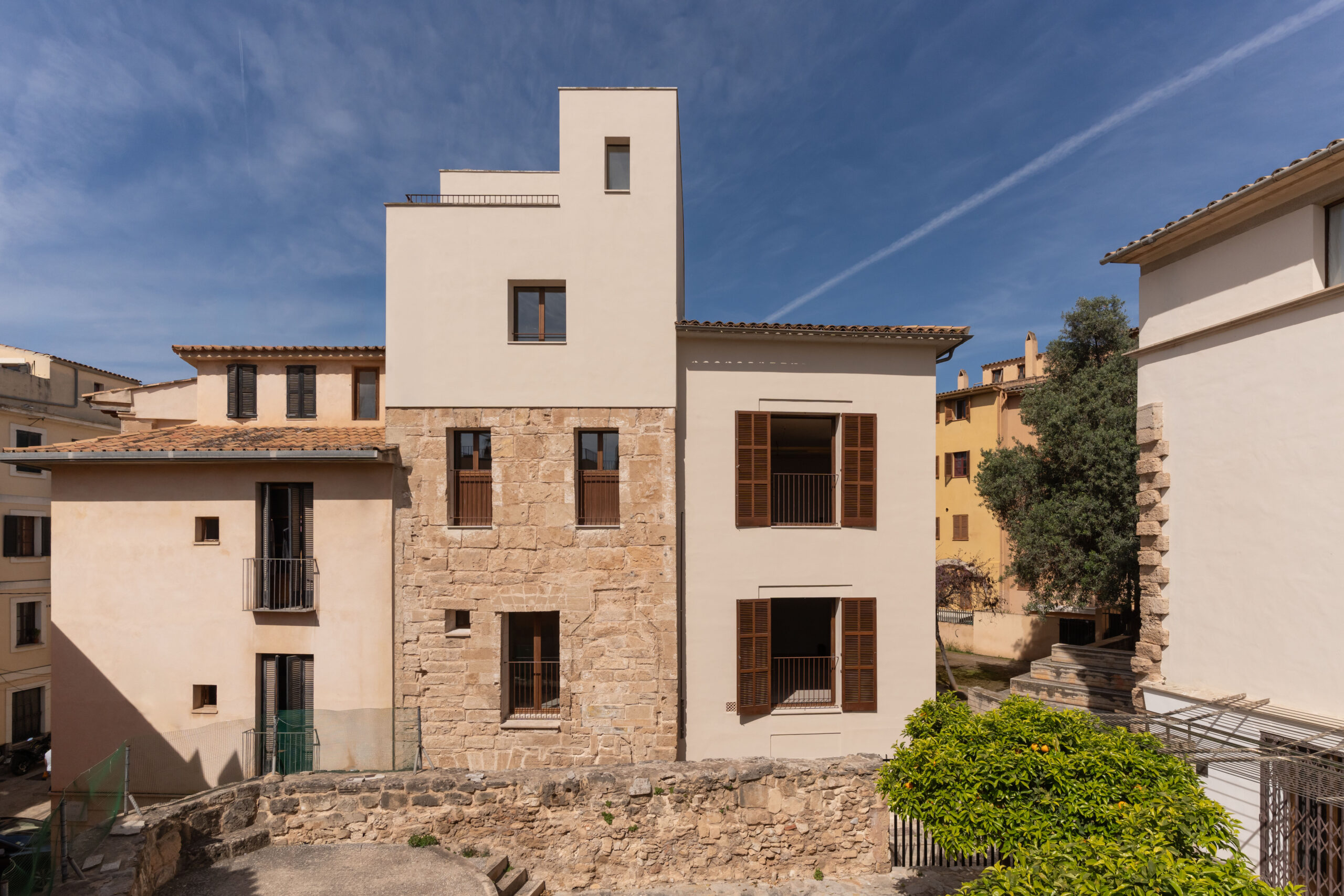
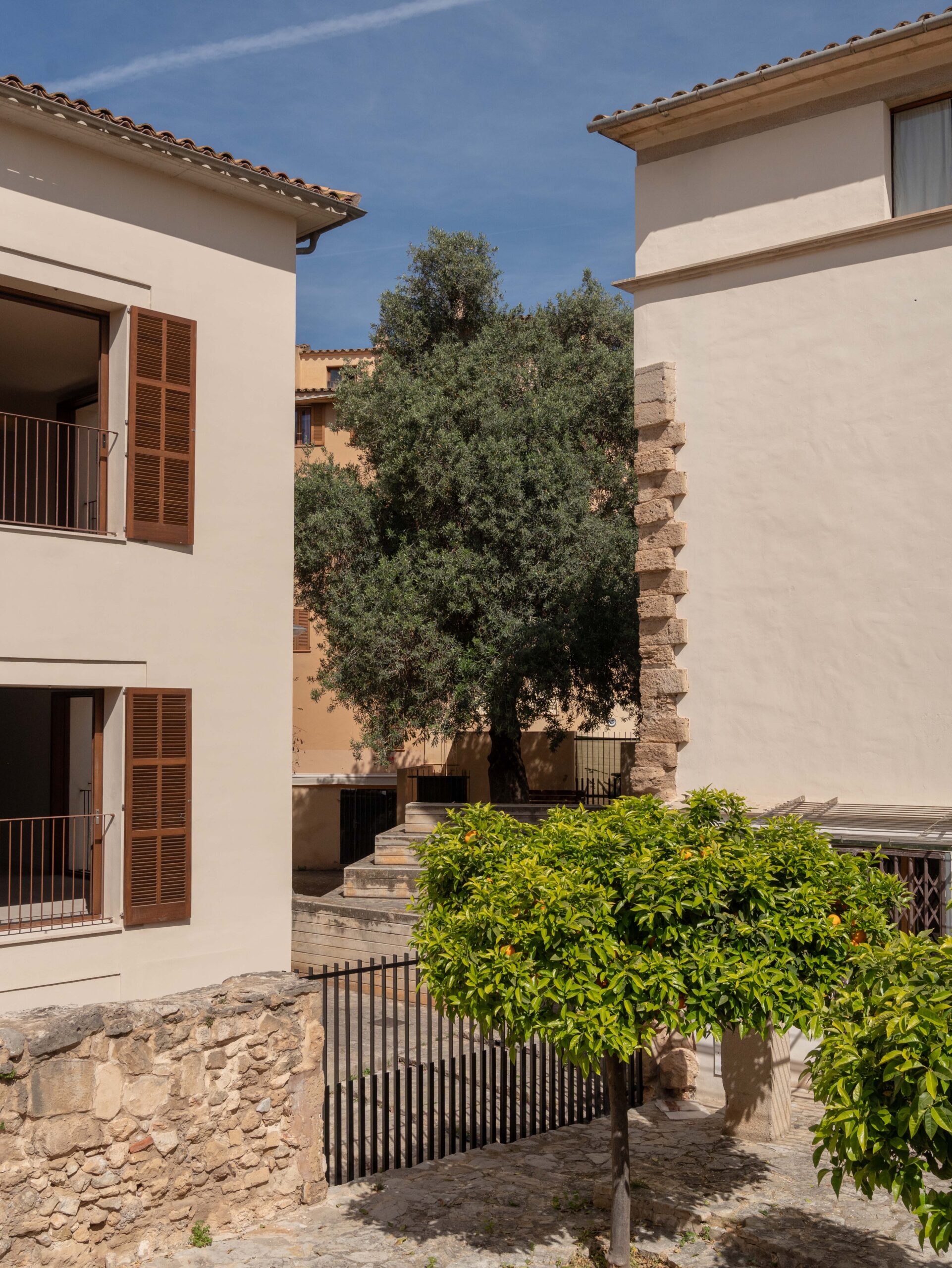
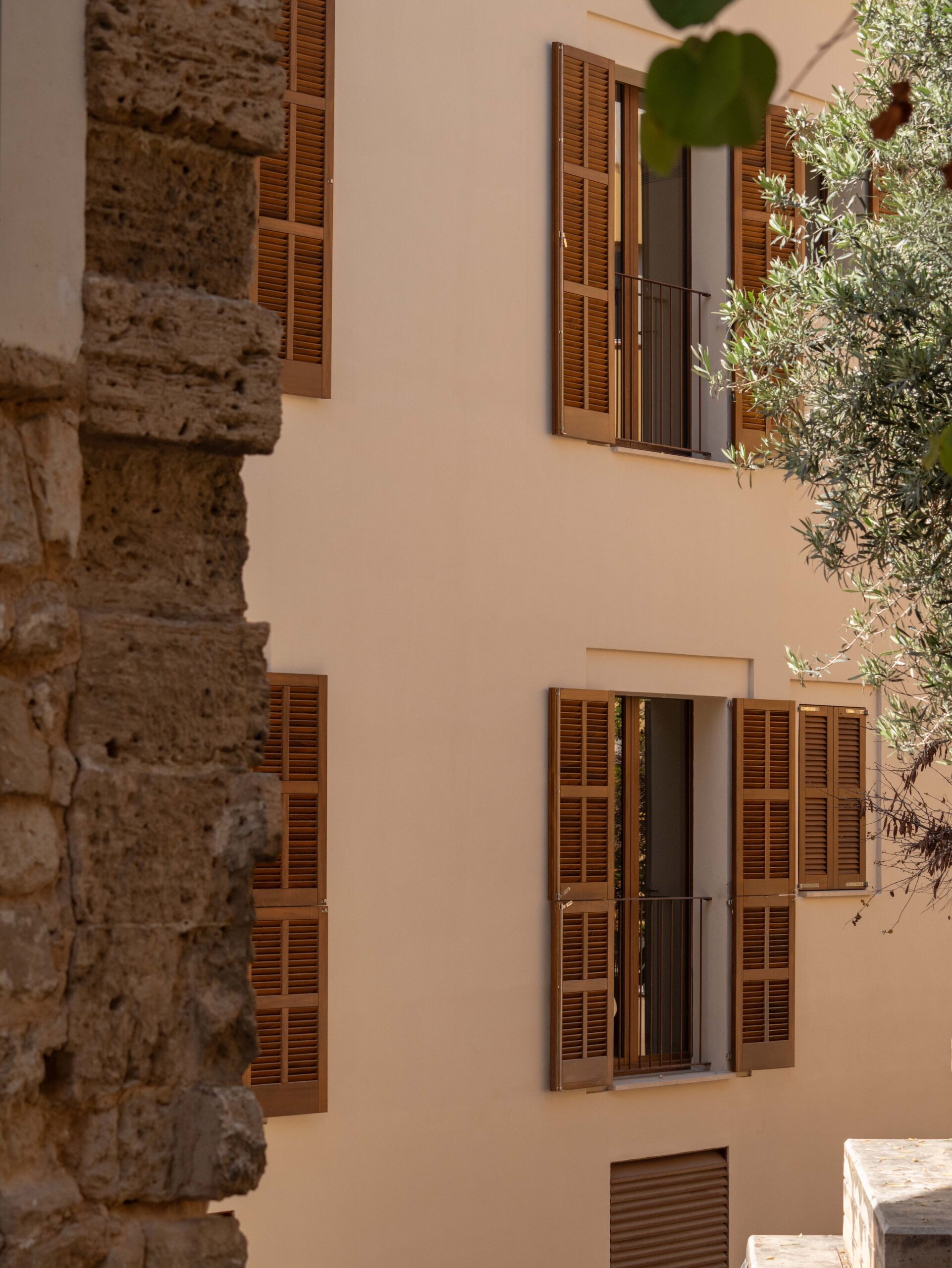
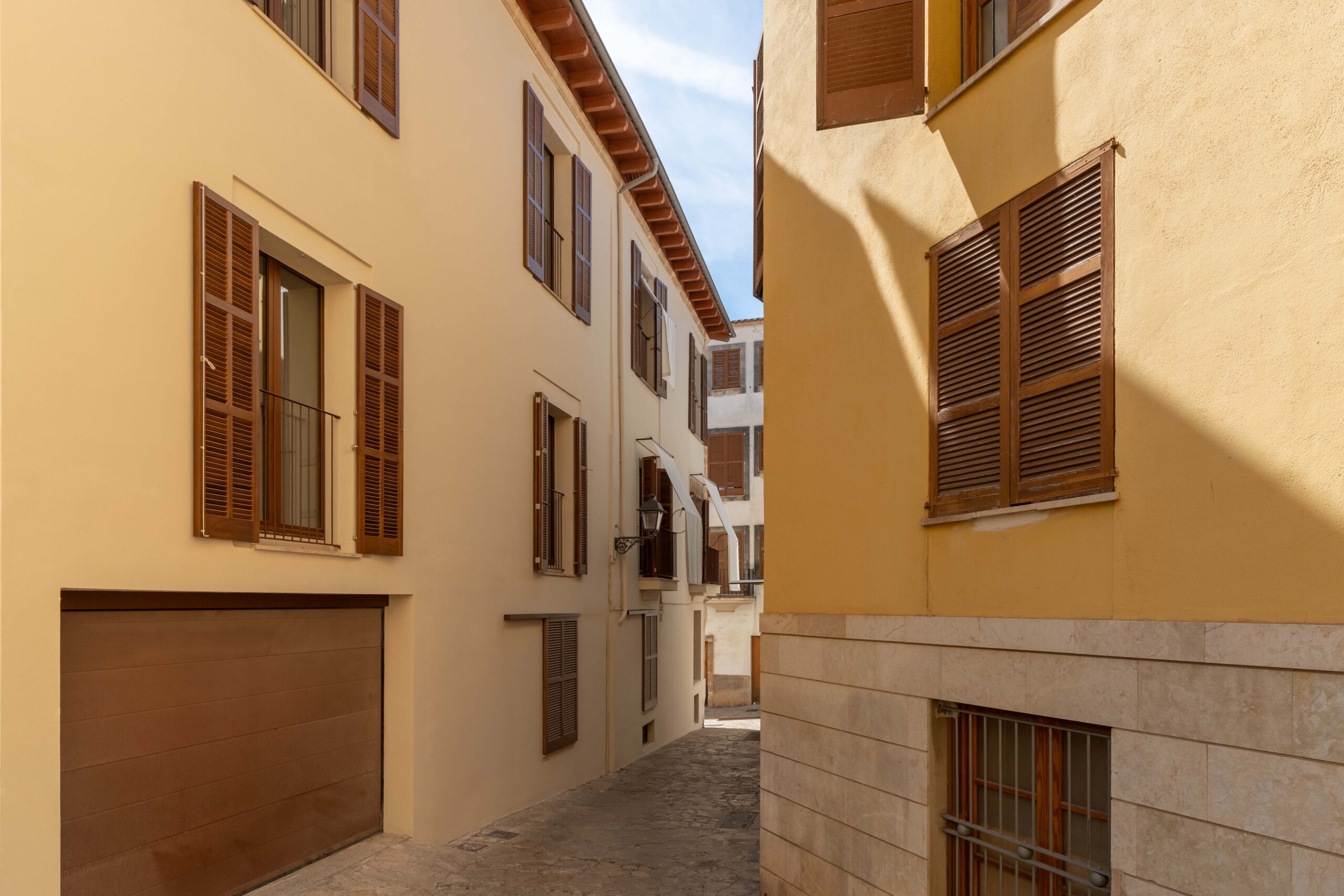
In 2026, we complete Sant Pere 20. A residential building that opens onto four streets and articulates the block, completing an urban island with a precise reading of its street topography. We preserved the rammed-earth and stone walls, respected the Mallorcan courtyard as the heart of the ensemble, and adapted the new construction by weaving public passages with private communal circulations. The dwellings arise from the inherited geometry, oriented to capture the light and shelter from the north. The new converses with what was already there, without imitating or silencing it.
The project quietly incorporates the active and passive techniques that elevate contemporary living: global insulation, airtightness, certified windows, and an envelope that works with the Mediterranean climate rather than against it. Technology integrates unobtrusively, serving the well-being of those who inhabit the space.
Thirty-five years between one project and the next. The same neighbourhood, the same craft: architecture that integrates without imposing, that transforms while honouring its origins and drawing out its essence. Sant Pere 20 is, in this sense, the natural continuation of a dialogue begun in 1991 with the neighbourhood itself, with its material memory, and with the people who inhabit it.